

Uncategorized
How indica dominant strains are described and compared
Sep

 28 Sep 2026
 9 min read
Indica dominant strains are usually described as cannabis varieties with more traditionally indica-associated lineage or traits than sativa-associated ones. That label can be useful shorthand, but it is not a guarantee of a particular mood, potency, aroma, or experience. The better approach is to read the label alongside the cannabinoid profile, terpene results, product format, and current batch documentation.
What “Indica Dominant” Means in Plain English
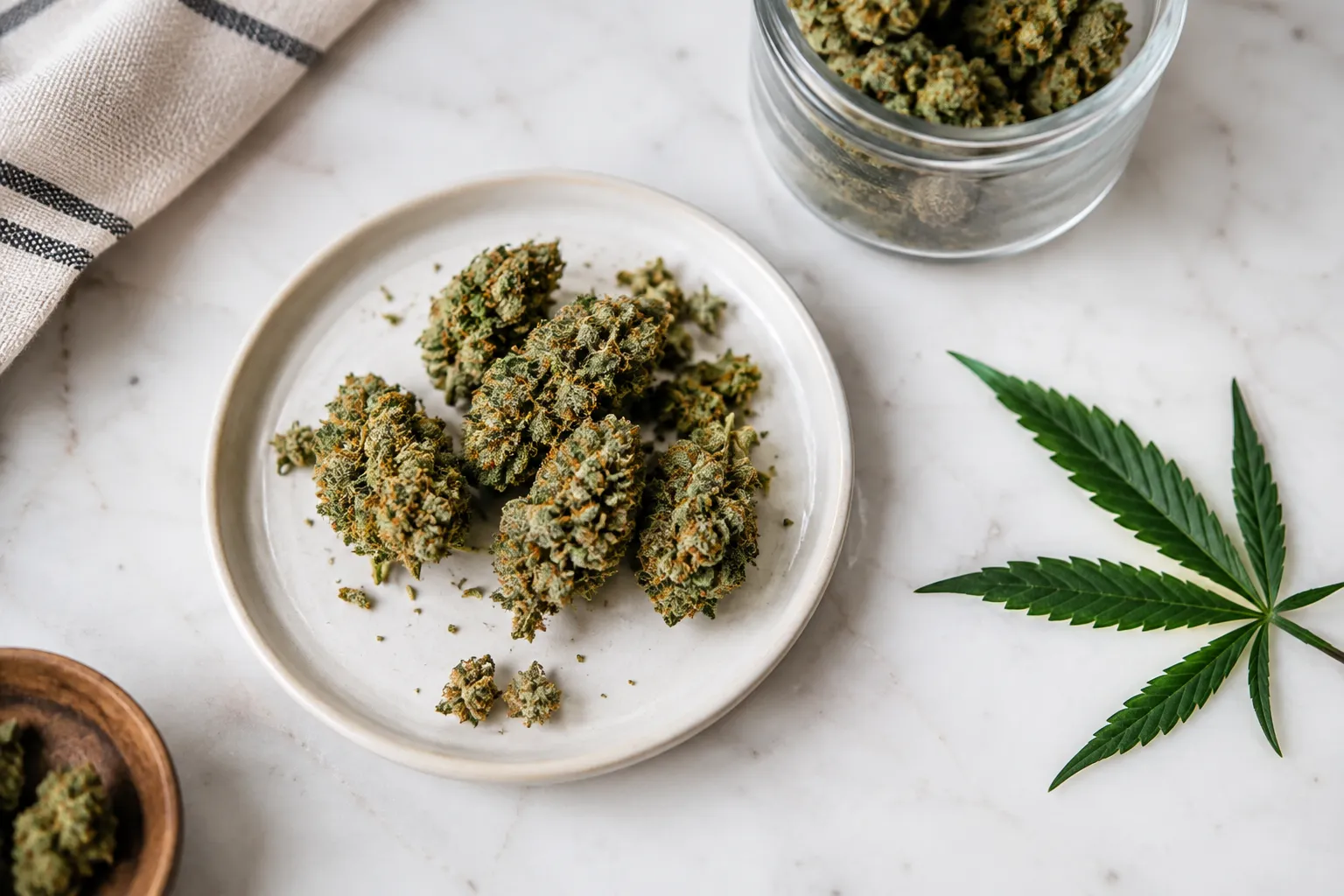
An indica-dominant label generally suggests that a cannabis cultivar has a stronger connection to traditional indica genetics or displays traits commonly associated with indica plants. Shoppers may see the term on flower, pre-rolls, vapes, concentrates, and edibles.
Historically, indica plants were associated with shorter, bushier growth, broader leaves, and relatively compact flowers. Sativa plants were often described as taller and more narrow-leafed. Modern cannabis breeding has blurred those visual and genetic categories, so today’s label is best treated as a description of lineage or convention rather than a precise scientific measurement.
If you are browsing legal products where they are available, you can shop cannabis formats after deciding which product details matter most to you.
Indica, Sativa, and Hybrid Labels Have Limits
The question “what strains are indica?” sounds straightforward, but the answer depends on how a grower, retailer, or testing provider uses the word. One seller may classify a cultivar by its heritage, while another may use indica to describe a commonly associated style of experience.
The same strain name can also appear on products with different cannabinoid concentrations, terpene profiles, growing conditions, harvest dates, and production methods. Those differences may matter more to the finished product than the broad indica or sativa label.
This is why “sativa vs indica strains” should not be treated as a guaranteed effects chart. Indica-dominant strains are not automatically sedating, and sativa-labeled products are not automatically energizing. Individual response, dose, tolerance, expectations, and product format all add variables.
Indica hybrid strains make the picture even less tidy. They may retain indica-associated traits while also expressing characteristics inherited from other genetic lines. In plain English: the label can point you in a direction, but it does not finish the map.
Are Any Cannabis Strains Truly 100% Indica?
“100% indica” is usually lineage or marketing language, not a universally verified measurement of a plant’s exact genetic composition. Modern cannabis varieties have often been bred across multiple generations, making simple percentage labels difficult to interpret consistently.
A product described as pure indica may still differ from another product carrying the same description. Compare the producer’s stated lineage, cannabinoid results, terpene profile, and batch information rather than assuming the percentage tells the whole story.
Traits Commonly Associated With Indica-Dominant Strains
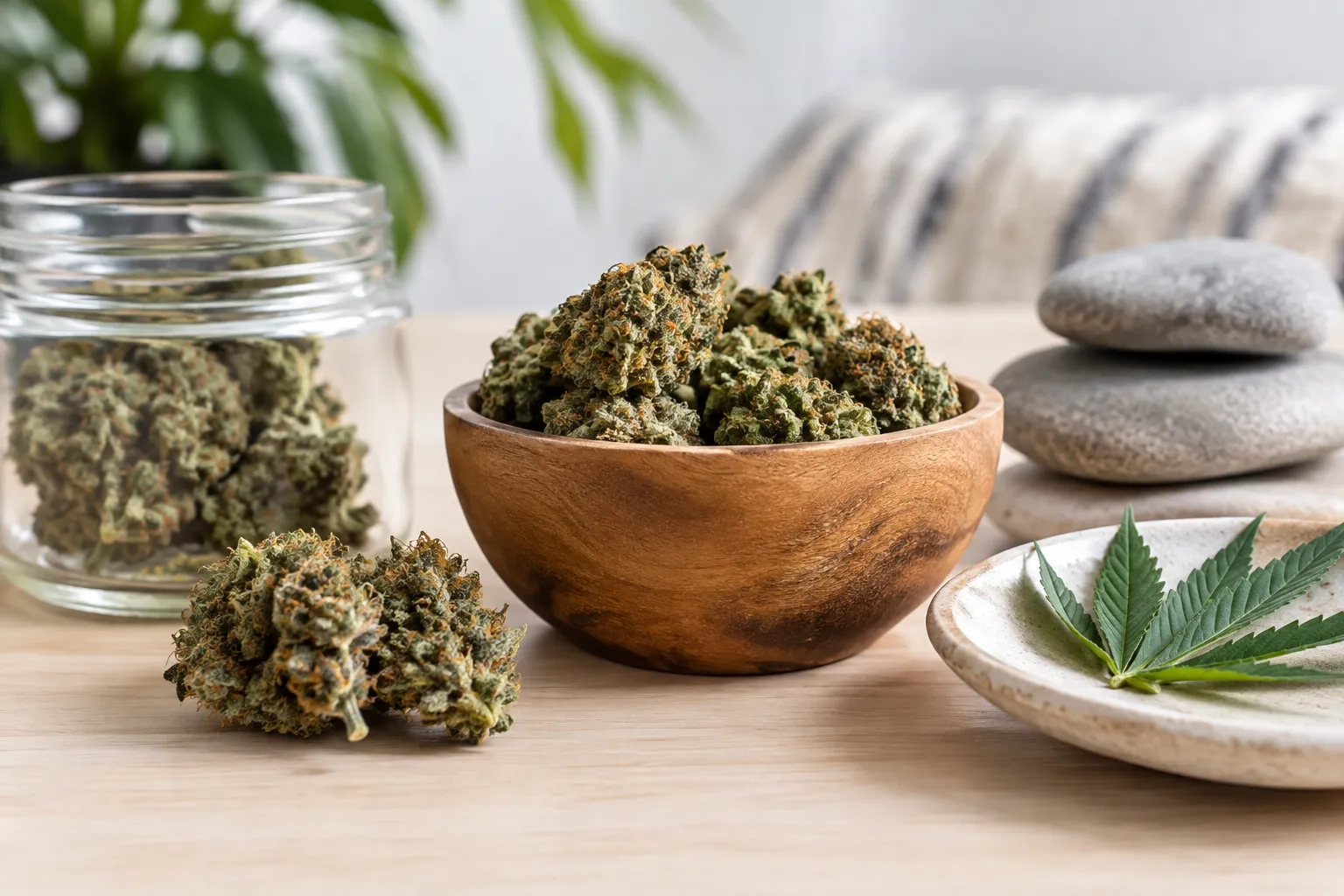
Indica-dominant strains are commonly described using words such as earthy, herbal, woody, floral, relaxing, heavy, or body-focused. These are broad associations, not promises. A specific product may feel different depending on its THC and CBD levels, minor cannabinoids, terpenes, freshness, and format.
Plant traits may include compact growth and dense flowers, but shoppers usually encounter the label on a finished product rather than in a grow room. At that point, the practical question is less “Is this truly indica?” and more “What does this batch contain, and how is it presented?”
For a more practical comparison framework, see our guide to best indica strains. Use it as a starting point, then verify the product-specific information before making a decision.
Terpenes That Shape Aroma and Experience
Terpenes are aromatic compounds found in cannabis and many other plants. They help shape whether a product smells earthy, piney, citrusy, floral, peppery, fruity, or sweet.
Commonly discussed cannabis terpenes include:
- Myrcene, often associated with earthy, herbal, or musky aromas
- Limonene, commonly linked with citrus notes
- Pinene, associated with pine-like aromas
- Linalool, often described as floral or lavender-like
- Caryophyllene, which can contribute peppery or spicy notes
These descriptions explain aroma; they do not predict a guaranteed effect. Terpenes may contribute to the overall character of a product alongside cannabinoids, but a terpene name on its own cannot tell you exactly how you will respond.
A product’s terpene profile can also change with cultivation, curing, storage, extraction, and time. Two products with the same cultivar name may therefore smell and feel unlike one another.
Why Cannabinoid Ratios Matter More Than the Label
The indica designation does not tell you how much THC or CBD a product contains. It also does not reveal the levels of minor cannabinoids or the ratio between them.
THC is commonly associated with intoxicating effects, while CBD is not generally described as intoxicating in the same way. Products with different THC-to-CBD ratios may have noticeably different character, even when they carry the same indica-dominant label.
When comparing products, look for:
- Total THC and CBD
- THC and CBD per serving where applicable
- Minor cannabinoids, if reported
- The terpene profile
- Whether the result applies to the current batch
- Serving or dose information for the chosen format
A high THC result may indicate greater intoxicating potential, but it does not guarantee a particular experience or make one product universally “strongest.” The label is the opening sentence; the lab report supplies more of the plot.
How Indica-Dominant Strains Compare With Other Labels
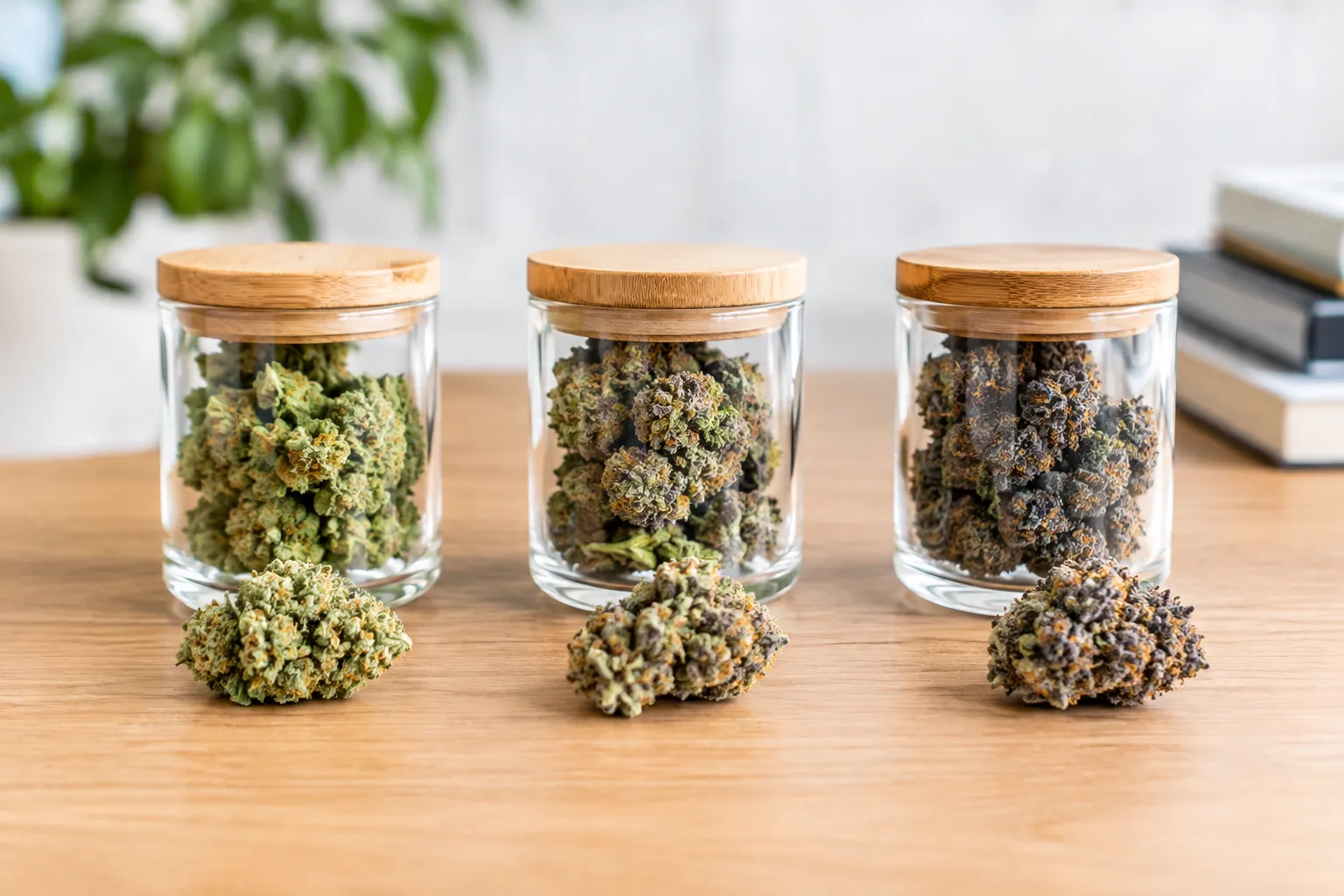
Indica-dominant, indica hybrid, and sativa-labeled products overlap more than simple charts suggest. A useful comparison considers the product’s chemistry and format rather than relying on a single category.
| Label or category | Common use of the label | What to compare next | Main limitation |
|---|---|---|---|
| Indica-dominant | Indicates traditionally indica-associated lineage or traits | Cannabinoids, terpenes, batch results, format | Does not guarantee relaxation or sedation |
| Indica hybrid | Suggests indica-associated genetics combined with other lines | Lineage, aroma, potency, and current lab report | “Hybrid” can cover a wide range of products |
| Sativa-labeled | Indicates traditionally sativa-associated lineage or traits | Cannabinoids, terpenes, serving information, format | Does not guarantee energy or alertness |
Cannabis labels are not interchangeable with medical advice, and legality varies by location. Check the rules that apply where you live and use only products permitted there.
Readers comparing plant labels with entirely different categories should keep the subjects separate; for example, magic mushrooms strains are not cannabis strains and should not be evaluated using indica-versus-sativa language.
Comparing Indica-Dominant and Indica-Hybrid Strains
An indica-dominant product may be presented as having a stronger traditional indica connection. An indica hybrid may combine those traits with genetics that introduce different aromas, cannabinoid patterns, growth characteristics, or perceived effects.
Neither category automatically determines potency. A low-THC indica-dominant product may be less intoxicating than a high-THC indica hybrid, while two products with similar THC levels may still differ because of terpenes, minor cannabinoids, serving size, and format.
The useful decision rule is simple: treat the category as a clue, then compare the evidence. If two products carry similar labels, choose based on the current cannabinoid and terpene information, clear serving details, and a batch identifier.
Look Beyond Claims About Strength or Relaxation
Words such as strong, calming, balanced, heavy, euphoric, and mellow are often descriptions rather than standardized measurements. They may help communicate a product’s intended character, but they need product-specific information behind them.
Before trusting a claim, ask:
- Is the THC and CBD content clearly stated?
- Does the result refer to the current batch or lot?
- Are serving amounts explained?
- Is a terpene profile available?
- Is there testing documentation for relevant contaminants?
- Are legal restrictions and product warnings clear?
A marketing phrase is not the same thing as laboratory evidence. A tidy label is nice; a readable certificate of analysis is nicer.
Choosing Formats and Checking Current Lab Reports
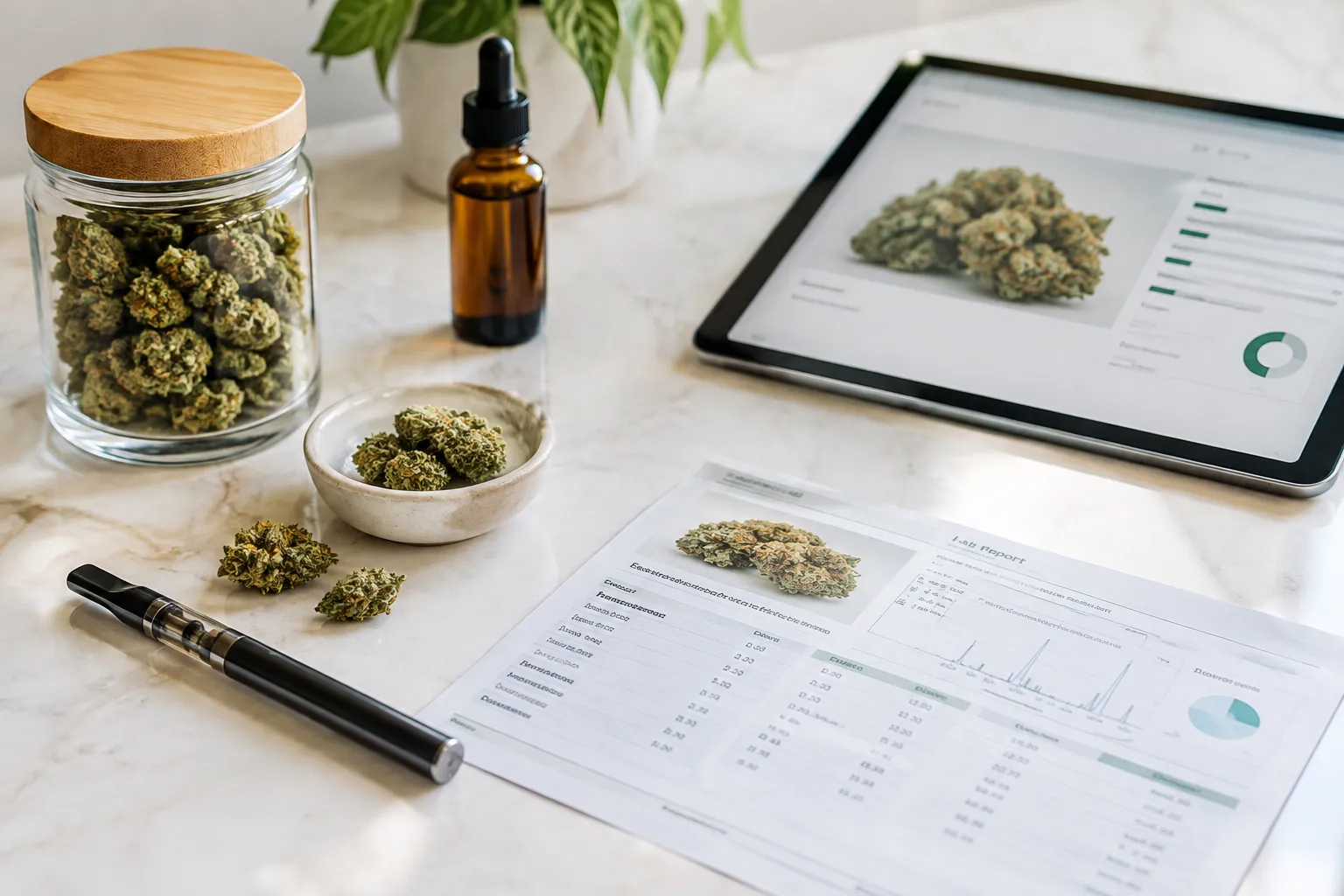
The same cultivar can behave differently when sold as flower, a pre-roll, vape, concentrate, or edible. Extraction, formulation, serving size, and route of administration all affect how the product is experienced.
The most suitable format depends on what you value: familiar presentation, convenient serving information, portability, aroma, or control over the amount used. No format makes the indica label more precise.
How Product Format Changes the Experience
Flower lets shoppers evaluate the stated cultivar and aroma directly, but cannabinoid content can vary between batches and individual pieces. Pre-rolls offer a ready-made format, though the information available depends on the product label and accompanying documentation.
Vapes and concentrates are processed formats that may present cannabinoids and terpenes differently from flower. Review the ingredient list, cannabinoid amounts, serving information, and current testing documents rather than assuming the original plant label tells you everything.
Edibles require particular attention to serving size and the amount per package. Their effects may develop differently from inhaled formats, so avoid comparing a single edible serving with a flower or vape amount as though the numbers mean the same thing.
Across all formats, check:
- Product type and ingredients
- THC and CBD per serving or stated amount
- Recommended serving information
- Batch or lot number
- Production or testing date where provided
- Terpene information, if available
- Applicable contaminant testing
- Storage instructions and legal restrictions
What to Check on a Cannabis Lab Report
A certificate of analysis, often called a COA, is most useful when it clearly connects to the product and batch being sold. A report from a different batch may not accurately describe the item in front of you.
Look for these details:
- Product name or identifying code
- Batch or lot number
- Testing laboratory information
- Cannabinoid results
- Terpene results, if tested
- Serving or concentration information
- Contaminant panels relevant to the product
- Dates that help establish currency
A report should be readable and internally consistent. If the product label says one thing while the COA shows another, pause before purchasing or using it and seek clarification. If the documentation is missing, vague, or impossible to match to the product, the label deserves less confidence.
Indica-Dominant Strains FAQ
What are the top 10 strongest indica strains?
There is no reliable universal top-ten list because potency varies by product and batch. Compare current THC results, serving information, and testing documentation instead of trusting a fixed ranking.
Are there any 100% indica strains?
“100% indica” usually describes claimed lineage rather than a standardized genetic measurement. Modern breeding and inconsistent labeling make the term less precise than a batch-specific profile.
What are the top 20 indica strains?
A universal top-20 list would oversimplify products that differ in chemistry, format, and batch results. The most useful comparison is cultivar name plus current cannabinoids, terpenes, and serving details.
Does indica dominant get you high?
It can if the product contains intoxicating levels of THC, but “indica dominant” alone does not determine whether a product produces a high or how intense it feels.
What strain gives you the giggles?
No strain guarantees laughter. Mood, setting, dose, THC content, tolerance, and individual response can all influence whether someone feels amused, social, relaxed, or uncomfortable.
What strain gets you the most stoned?
No single strain is reliably the most intoxicating for everyone. Product-specific THC concentration, serving size, format, tolerance, and individual response matter more than an indica or sativa label alone.
Can an indica-dominant strain be high in CBD?
Yes. An indica-dominant label describes lineage or convention, while CBD content is determined by the product’s cannabinoid profile and should be checked on the current label or COA.
Why can the same strain feel different from one product to another?
The products may differ in batch chemistry, THC-to-CBD ratio, terpene profile, serving size, freshness, processing, and format, even when they use the same strain name.
Use Indica Labels as a Starting Point, Not a Promise
Indica dominant strains can be a helpful way to narrow a search, especially when you already know which aromas, formats, or product descriptions appeal to you. But the label should begin the comparison, not end it.
For a more informed choice, review four things together: the current cannabinoid profile, the terpene results, the product format, and the batch-specific lab report. Treat claims about relaxation, strength, or being “the strongest” as descriptions that need evidence rather than guarantees.
The cleanest verdict is pleasantly unglamorous: indica, sativa, and hybrid labels are useful signposts, but the product’s current chemistry and documentation tell you more. Check what is legal where you live, compare the details carefully, and let the label be a clue—not a promise.
Mara Whitfield is a senior content editor who makes psychedelic education, cannabis culture, and harm-reduction guidance easier to navigate. She breaks down product formats, dosage considerations, testing, and legal context without the jargon or the guesswork. Her work helps adult readers shop more thoughtfully, protect their privacy, and ask the right questions before exploring microdoses, vapes, teas, and other formats.
