

Uncategorized
Best indica strains for comparing effects, flavor, and value
Sep

 25 Sep 2026
 13 min read
Choosing the best indica strains is less about finding a universal winner and more about matching a product’s evidence, flavor, format, and reported experience to your priorities. Labels can point you in a direction, but cannabinoid results, terpene information, batch details, and local rules deserve the final word.
What “indica” means in today’s cannabis market
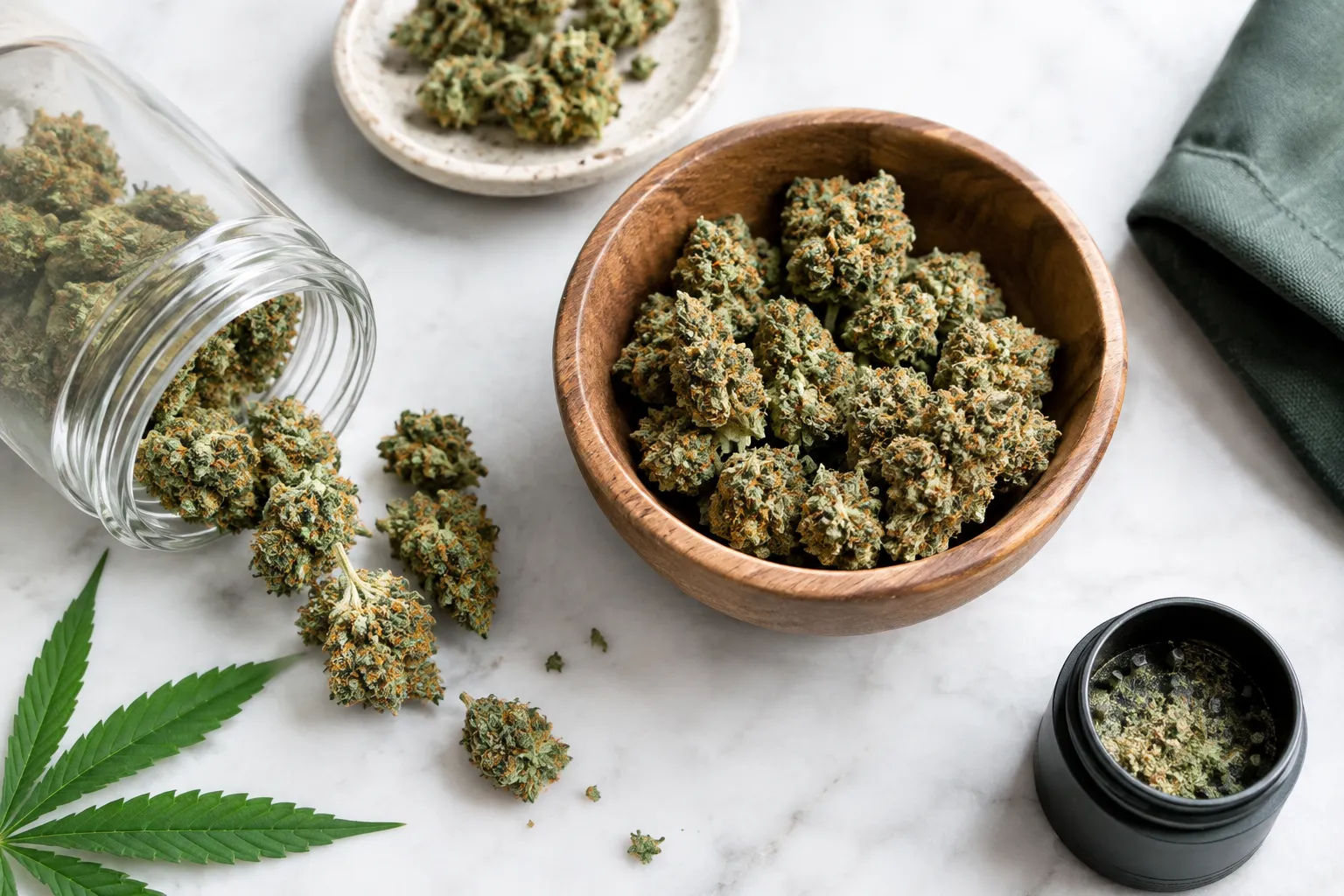
“Indica” traditionally refers to cannabis plants associated with compact growth, broader leaves, and certain historical lineages. In today’s market, however, many products sold as indica are hybrids selected for an indica-style profile rather than genetically pure examples.
That matters when comparing the best strains of indica. The label may describe expected character, breeding history, or market positioning, but it does not guarantee a particular effect. Product chemistry, cultivation, freshness, serving size, and individual tolerance can all change the experience.
If you are browsing cannabis product options, treat “indica” as a starting filter rather than a verdict. Product details should help you decide whether a listing actually fits.
Indica genetics versus indica-style effects
A traditional indica label is about lineage and plant characteristics. An indica-dominant hybrid may combine those genetics with sativa or other hybrid lines while still being marketed for its heavier, calmer, or evening-oriented profile.
The words “indica,” “indica-dominant,” and “indica-style” are therefore not interchangeable proof of effects. They are useful sorting tools, but they do not replace a batch-specific certificate of analysis or a clear product description.
This is why lists of top indica strains can be entertaining but incomplete. A strain name may appear across flower, vape, edible, or concentrate products, and each format can deliver a different pace and intensity. The name is the opening chapter, not the whole novel.
Why the same strain can feel different
Two products carrying the same strain name may differ in:
- THC, CBD, and minor cannabinoid content
- Dominant and supporting terpenes
- Cultivation and processing methods
- Harvest, packaging, or batch age
- Product format and serving size
- Individual tolerance and prior experience
Even aroma can vary between batches. A grape-forward description, for example, should be supported by sensory notes and terpene information rather than treated as a guarantee.
For that reason, the best indica strains for one shopper may not be the best fit for another. A useful comparison asks, “Which documented profile suits this use case?” rather than, “Which name wins forever?”
How to compare the best indica strains
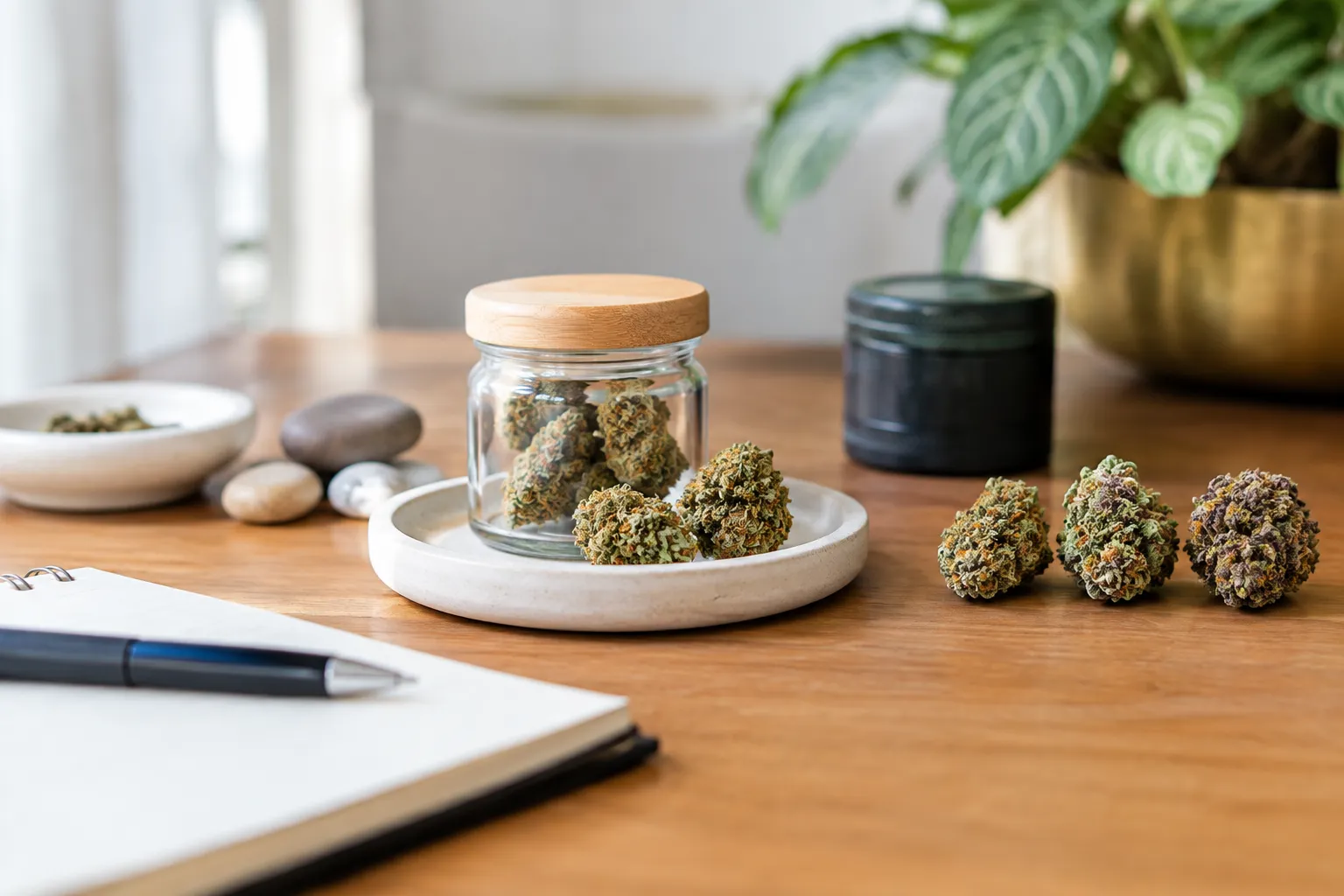
A practical comparison should begin with evidence and end with personal fit. Use the same checklist for classic names, popular hybrids, and new indica strains so marketing language does not quietly change the rules.
Local availability and legal status also matter. Regulations differ by jurisdiction, and a product being visible online does not establish that it may be purchased, possessed, or delivered where you live. Our Locations.kml page may help with site navigation, but always verify the rules that apply to your location.
Cannabinoid content and potency
THC is only one part of a potency comparison. Check whether the listing provides total cannabinoid content, CBD levels, minor cannabinoids, and serving guidance appropriate to the format.
For flower, a percentage can help compare batches, but it does not predict the complete experience. For edibles, the amount per serving and amount per package are both important. For vapes and concentrates, the product format and stated serving guidance deserve equal attention.
A sensible rule is to compare like with like:
- Flower against flower.
- Edibles against edibles.
- Vapes against vapes.
- Concentrates against concentrates.
Avoid treating a high THC number as automatic proof of quality or suitability. More intensity is not the same thing as better value, and a number without batch documentation is only a marketing statement.
Terpenes, aroma, and likely experience
Terpenes help explain aroma and flavor. A product described as earthy, citrusy, floral, piney, or dessert-like should ideally include a terpene profile that gives the description some substance.
Terpenes may help you compare likely sensory character, but they cannot guarantee an effect. Two shoppers can respond differently to the same aroma, and a strain’s market reputation may be broader than the evidence attached to a particular batch.
When comparing the best strains of indica, record:
- Dominant terpenes, if listed
- Supporting terpenes
- Aroma and flavor notes
- Whether the notes apply to the current batch
- Whether the product description separates observation from prediction
Flavor-first shoppers may prefer a detailed profile even when potency is not the highest available. That is a perfectly reasonable ranking system; cannabis does not award trophies only to the loudest number.
Lab testing and product details
Reliable product information should be specific enough to check. Look for a batch or lot identifier, a certificate of analysis where required or available, cannabinoid results, and contaminant testing relevant to the product type.
Useful details can include:
- Ingredients, especially for edibles and infused products
- Serving size and total package amount
- Packaging or production date
- Testing laboratory and report date
- Batch number that matches the listing or package
- Relevant screening for contaminants
- Storage instructions
- Restrictions and age requirements
A polished product page is not the same as independent evidence. If a listing makes a strong claim but provides no meaningful batch information, lower your confidence rather than filling in the gaps with optimism.
Effects reported by real users
User reviews can reveal recurring descriptions of aroma, flavor, texture, and perceived experience. They are supporting evidence, not laboratory proof, and they should never be treated as a guarantee.
Look for patterns rather than one dramatic comment. Several consistent reports may help you understand how shoppers describe a product, but reviews still depend on individual tolerance, expectations, serving size, and context.
A useful review comparison asks:
- Are people describing the same product format?
- Do comments refer to the current batch?
- Are reviewers discussing flavor as well as effects?
- Do the reports acknowledge individual variation?
- Does the product page provide evidence beyond testimonials?
Indica strains worth comparing by experience and flavor
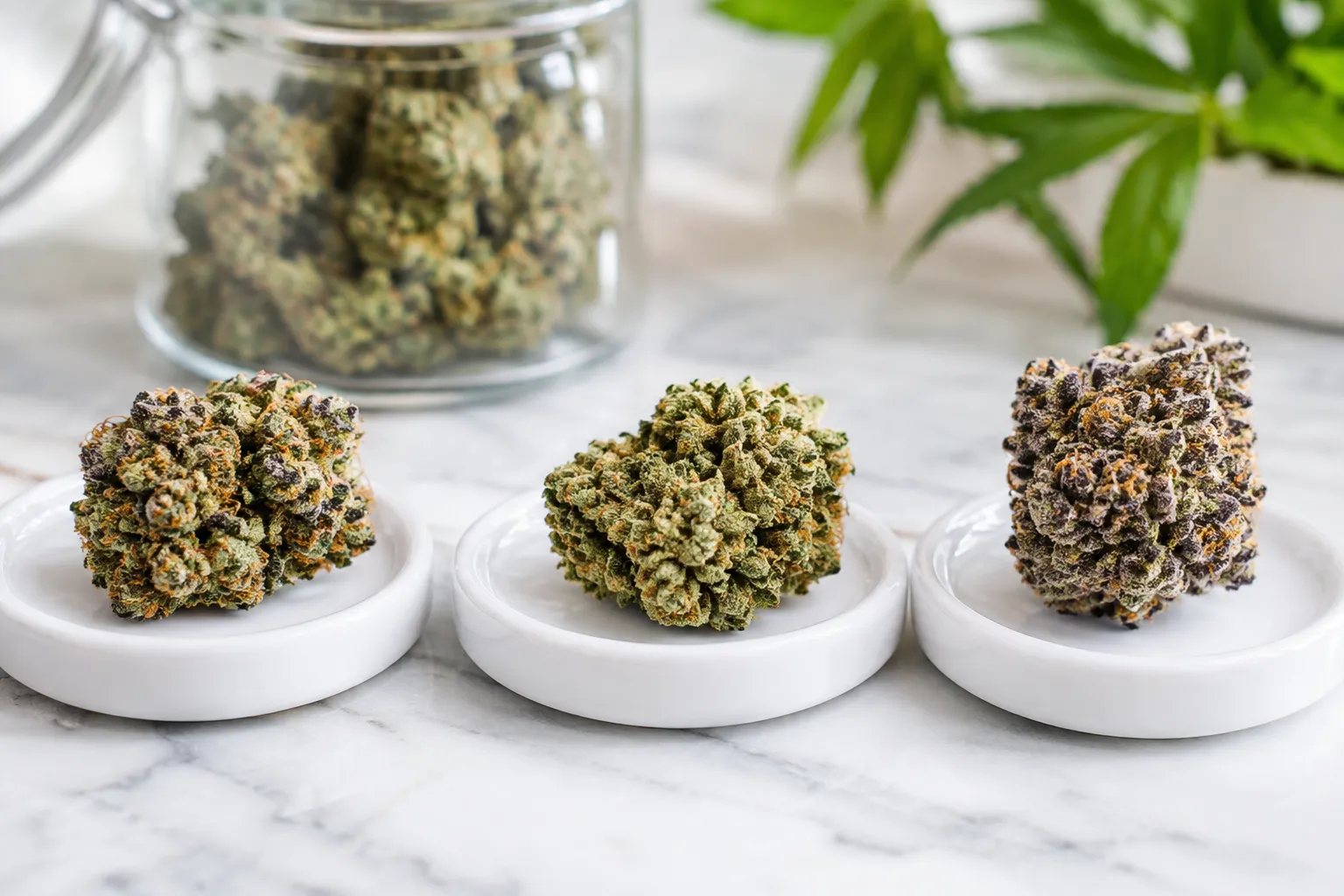
The examples below are comparison points, not a universal ranking. Northern Lights, Granddaddy Purple, Bubba Kush, Ice Cream Cake, and Do-Si-Dos can appear in different formats and batches, so verify the actual product details before drawing conclusions.
| Example | Best fit for comparing | Main strength | Key tradeoff |
|---|---|---|---|
| Northern Lights | Classic, traditional-leaning profiles | A familiar reference point for aroma and reported evening character | The name alone does not confirm genetics or batch consistency |
| Granddaddy Purple | Fruit-forward descriptions | Useful for checking grape-like flavor claims against terpene data | Flavor descriptions can vary between products |
| Bubba Kush | Earthy, heavier-leaning profiles | A practical comparison for earthy aroma and product detail | Listings may differ substantially in chemistry and freshness |
| Ice Cream Cake | Modern dessert-style profiles | Helps compare newer hybrid branding and terpene expression | Availability and evidence may vary by market |
| Do-Si-Dos | Flavor variety and hybrid options | A recognizable benchmark for indica-dominant hybrid comparisons | “Indica-dominant” does not predict one fixed experience |
If you want to browse what is currently presented through the site, the USA & Canada’s Best Online Dispensary page is available as a navigation point. Availability, legality, and fulfillment remain location-dependent, so check those details before ordering.
Northern Lights for a classic evening profile
Northern Lights is often used as a classic reference when shoppers compare indica-style products. The useful question is not whether the name guarantees a particular result, but whether the listing provides enough information to assess the current batch.
Compare its aroma description, cannabinoid results, terpene profile, and reported experience. If two Northern Lights products differ in format or testing detail, they should not be treated as identical simply because the label matches.
For shoppers who prefer familiar names, this can be a sensible starting point. For shoppers who prioritize evidence, the strongest listing is the one with clearer batch documentation, not necessarily the one with the most confident wording.
Granddaddy Purple for fruit-forward profiles
Granddaddy Purple is a useful comparison point for fruit-forward or grape-like descriptions. When a listing uses those notes, look for supporting terpene information and sensory detail rather than assuming the flavor will be identical across every product.
Freshness matters here. Aroma can be less expressive when a product is old or poorly stored, and a strain name cannot repair a vague or incomplete product page.
Compare:
- Stated aroma and flavor notes
- Current cannabinoid results
- Terpene information
- Packaging or batch dates
- Storage guidance
- Product format
That checklist helps separate a documented fruit-forward profile from a decorative adjective wearing a tiny marketing hat.
Bubba Kush for earthy, relaxing products
Bubba Kush is commonly used as a reference for earthy, heavier-leaning product descriptions. The label may appeal to shoppers seeking that style, but it does not establish a guaranteed effect or consistent chemistry between sellers.
Check whether the product page identifies the batch, explains the format, and provides laboratory information where applicable. Compare aroma notes with the terpene profile and look for clear serving guidance if the product is an edible or another measured format.
The tradeoff is simple: a familiar strain name can make browsing easier, but detailed evidence is still needed to determine whether a particular product is worth considering.
Ice Cream Cake and modern dessert profiles
Ice Cream Cake represents the kind of newer or modern indica-dominant offering that shoppers may encounter alongside older classics. Its appeal often begins with dessert-style naming, but the comparison should move quickly to genetics, terpenes, cannabinoid results, and freshness.
New indica strains may attract attention because they sound novel. Novelty is not evidence of quality, and limited availability can make comparisons less consistent. A newer listing deserves the same scrutiny as an established one:
- Is the current batch identified?
- Are flavor claims supported by terpene information?
- Is the format clearly explained?
- Are serving details present?
- Can the stated results be verified?
A new name can be fun. A transparent product page is more useful.
Do-Si-Dos and other hybrid indica options
Do-Si-Dos is a helpful reference when shoppers want an indica-dominant hybrid rather than a traditional-leaning profile. Hybrid options may offer broader flavor descriptions, but the label still does not dictate a single experience.
Compare hybrid products using the same criteria as classic examples: cannabinoids, terpenes, evidence, format, freshness, and user reports. Do not assume that a hybrid is automatically lighter, stronger, more energizing, or more sedating.
For shoppers building a shortlist of top indica strains, hybrid options belong in the comparison when they match the desired aroma, format, and documented chemistry. The best choice is the one that fits the stated priorities, not the one that wins a popularity contest with no judging criteria.
How to judge value beyond the price tag
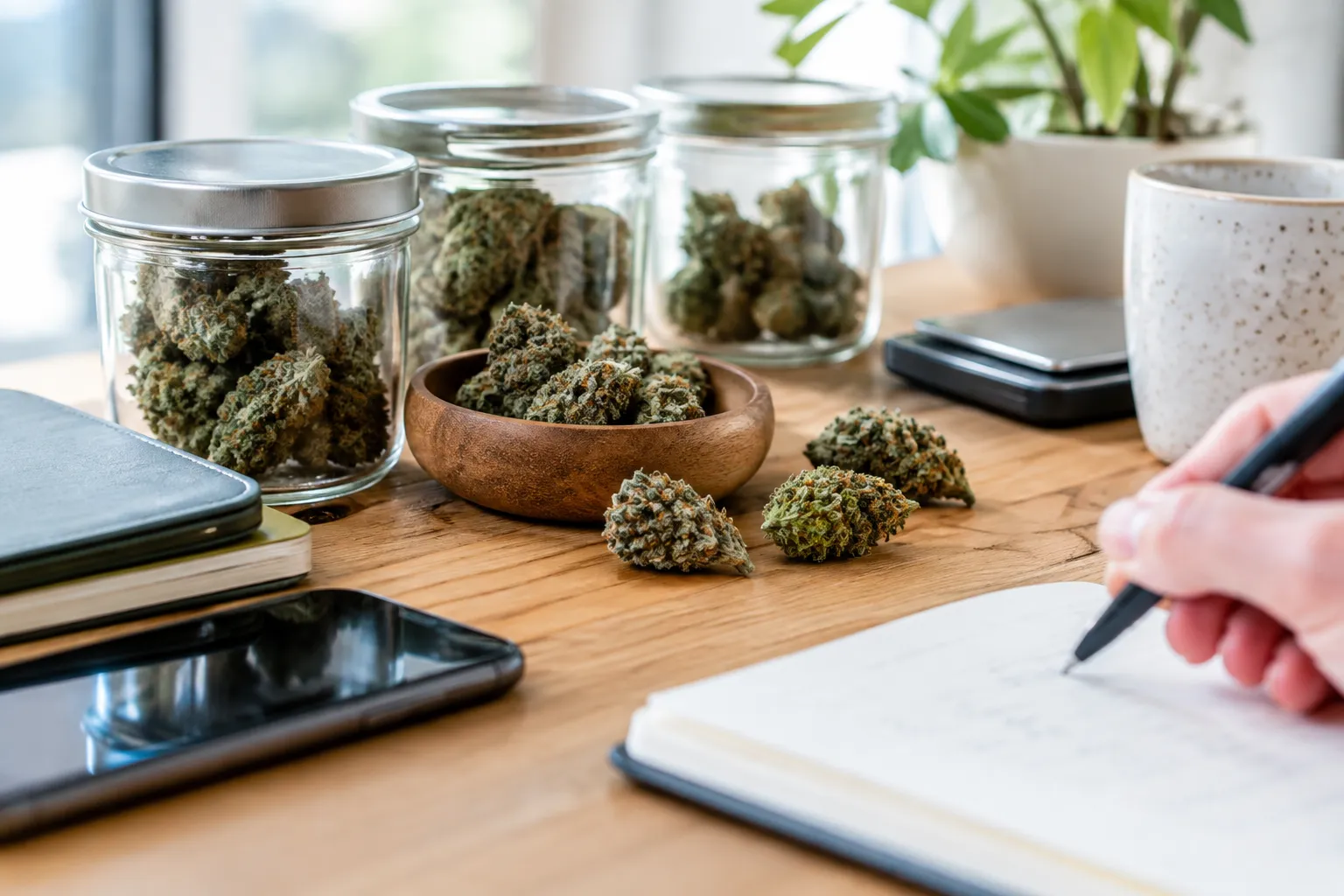
Price is visible, but value is multi-layered. A lower-cost product may offer less usable information, a different format, older packaging, or a serving size that makes direct comparison difficult.
When assessing cannabis products, consider the combination of evidence, amount, format, freshness, consistency, and suitability. This approach is more useful than searching for a magic “best price” number that ignores what is actually in the package.
Compare cost per usable serving
Start by identifying the total amount of active cannabinoids and the stated serving size. For a measured product, divide the package price by the number of clearly defined servings to understand the practical cost.
For flower, a serving comparison is less precise because individual use varies. You can still compare package size, cannabinoid content, and product quality evidence, but avoid pretending the result is perfectly equivalent to an edible serving.
Keep comparisons consistent:
- Compare the same format.
- Use the same cannabinoid measure.
- Check total package contents.
- Include serving guidance.
- Account for quality evidence and freshness.
A bargain is not much of a bargain if the product cannot be evaluated confidently.
Check freshness, format, and storage
Freshness can influence aroma, texture, and overall product condition. Review packaging or harvest information where provided, and pay attention to storage instructions.
Format also changes the buying decision. Flower, edibles, vapes, and concentrates differ in how they are measured, handled, and compared. Do not use a flower product’s percentage as though it were directly interchangeable with an edible’s serving amount.
Before choosing, ask:
- Is the package sealed and clearly labeled?
- Is the product format suitable for your experience level?
- Are ingredients listed where relevant?
- Is storage guidance provided?
- Does the product appear current and batch-specific?
These details may feel less glamorous than a strain name, but they are where value often hides.
Watch for unsupported potency claims
Be cautious with phrases such as “maximum strength,” “ultra-premium,” or “the strongest indica” when they are not paired with batch-specific evidence. A bold claim is not a test result.
Useful evidence should identify what was measured, when it was measured, and which batch it describes. If a product page gives only a dramatic headline, treat it as promotional language rather than a reliable comparison point.
The same principle applies to claims about effects. A product may be described as deeply relaxing or exceptionally calming, but those descriptions remain subjective unless carefully framed as reported impressions rather than guaranteed outcomes.
Choose and buy an indica product with confidence
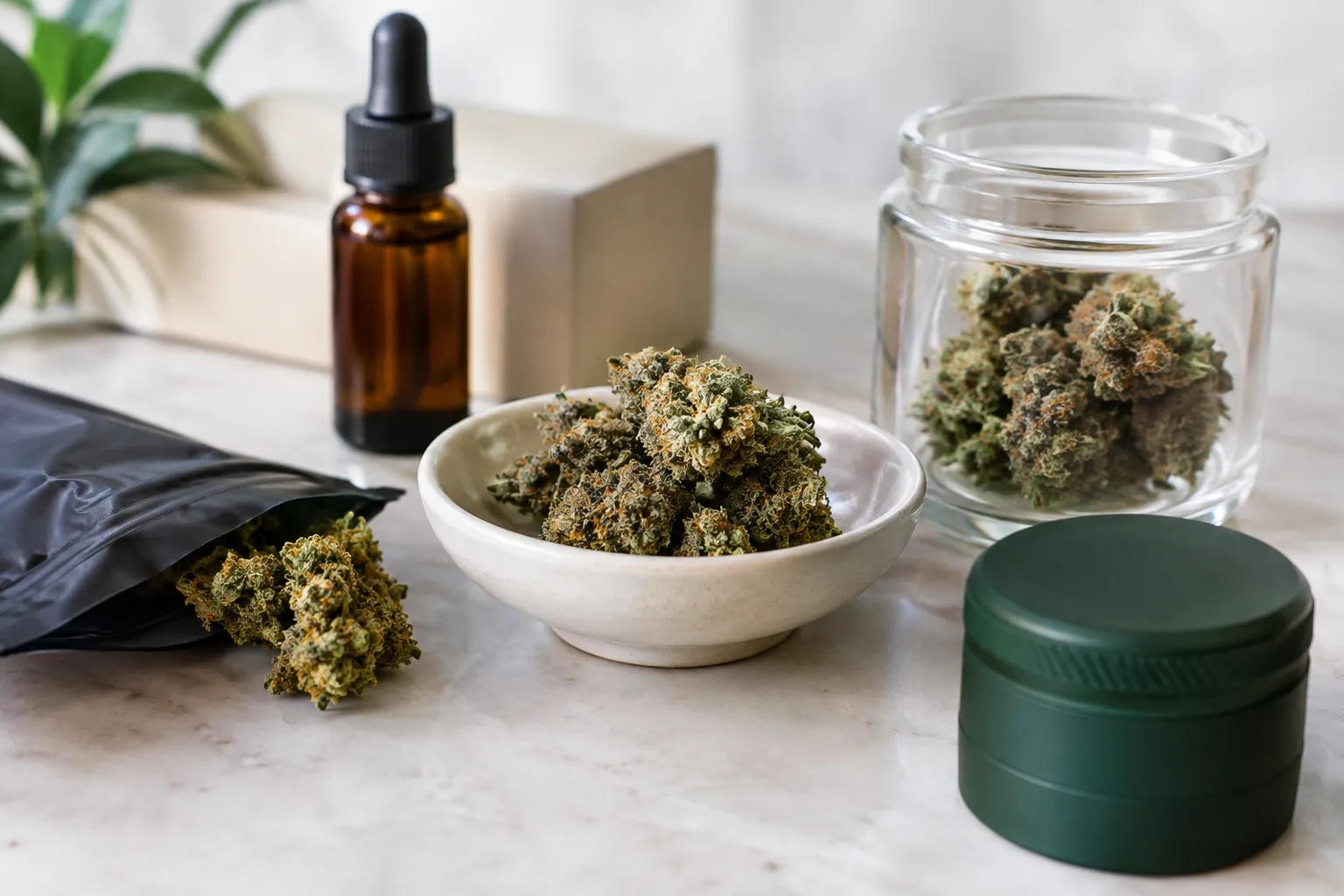
A good buying process narrows the field without pretending certainty. First decide what matters most, then verify that the product page supports the decision with clear, relevant information.
Cannabis laws, age rules, possession limits, and product availability vary by location. Do not assume that online visibility means a product is legal or deliverable where you are.
Match the product to your priorities
Use a simple decision path:
- Choose the format you understand and can compare fairly.
- Decide whether flavor, cannabinoid content, serving control, or budget comes first.
- Identify whether you prefer a classic name or are open to new indica strains.
- Review the terpene and aroma information.
- Check evidence, freshness, and storage details.
- Remove products that do not clearly explain restrictions or serving information.
If flavor is your priority, compare terpene and sensory notes. If serving control matters, look for clear per-serving information. If you are sensitive to uncertainty, favor products with better batch documentation over products with louder claims.
There is no shame in choosing the least complicated option. The best indica strains are not always the most fashionable; they are the options that give you enough information to make a sensible decision.
Verify the batch before ordering
Before ordering, confirm:
- The product is permitted in your location.
- You meet applicable age requirements.
- The format and ingredients are clearly stated.
- Serving information is easy to find.
- Cannabinoid results are provided where appropriate.
- Testing or certificate information matches the batch.
- Packaging, harvest, or production dates are available when relevant.
- Storage instructions are included.
- Shipping and fulfillment terms do not conflict with local restrictions.
If key information is missing, ask for clarification or choose a listing with stronger documentation. A trustworthy buying experience should not depend on guesswork, pressure, or mysterious certainty.
Indica Strain FAQs
What are the top 10 indica strains in 2026?
There is no defensible universal top ten without current, comparable product evidence. Use the comparison framework above to assess Northern Lights, Granddaddy Purple, Bubba Kush, Ice Cream Cake, Do-Si-Dos, and other available options.
Can you give me a list of 100% indica strains?
“100% indica” is often used as shorthand for traditional lineage, but modern cannabis labels and breeding histories can be more complicated. Verify the stated genetics and current product evidence rather than relying on the label alone.
What are the top 5 best indica strains?
A practical shortlist might include Northern Lights, Granddaddy Purple, Bubba Kush, Ice Cream Cake, and Do-Si-Dos as comparison points, not guaranteed rankings. The best fit depends on evidence, format, flavor, and personal priorities.
What is a 100% indica strain?
A 100% indica strain generally means a product or cultivar marketed as having exclusively indica lineage. The phrase does not guarantee a specific effect, cannabinoid profile, or experience.
What is the highest-THC indica strain?
There is no permanent highest-THC indica strain because results vary by cultivar, batch, testing method, and product format. Compare current laboratory evidence rather than trusting a fixed record or marketing superlative.
What is the Holy Grail strain?
“Holy Grail” can refer to a strain name or a breeder’s description, but the label alone does not establish quality or effects. Evaluate the specific product’s cannabinoids, terpenes, testing, and freshness.
How long do indica effects usually last?
Duration varies with product format, serving size, cannabinoid content, tolerance, and individual response. Product labels may provide serving guidance, but they cannot guarantee an identical timeline for every person.
Can an indica strain feel energizing instead of sedating?
Yes, an indica label does not guarantee sedation. Individual response, cannabinoid and terpene profiles, serving size, expectations, and product format can all influence how the experience feels.
Use the comparison framework before you buy
The strongest way to compare the best indica strains is to weigh genetics, cannabinoids, terpenes, batch evidence, freshness, format, and value together. Use strain names to build a shortlist, then let verifiable product details decide which option fits.
Check local rules before purchasing, avoid unsupported potency promises, and remember that a popular label is not a substitute for clear information. A little detective work beats buying based on vibes alone.
Explore your options
Review the available product details, compare formats and evidence, and choose only what fits your priorities and local requirements.
Mara Whitfield is a senior content editor who makes psychedelic education, cannabis culture, and harm-reduction guidance easier to navigate. She breaks down product formats, dosage considerations, testing, and legal context without the jargon or the guesswork. Her work helps adult readers shop more thoughtfully, protect their privacy, and ask the right questions before exploring microdoses, vapes, teas, and other formats.
